
Topic
Stories Teaching Children Politeness and Good Manners
Children are told to "sorry" many times but are rarely shown the effects of apologizing. The stories in this group show your child the second part of the sentence: the other person feels differently, the story is corrected, and the relationship continues. Thanks to that, politeness is no longer a formality to please adults.
Stories in the group

Mateo and the Golden Squash
A tiny taste, a big discovery
Exploring new foods without pressure4–7 years old 8 minute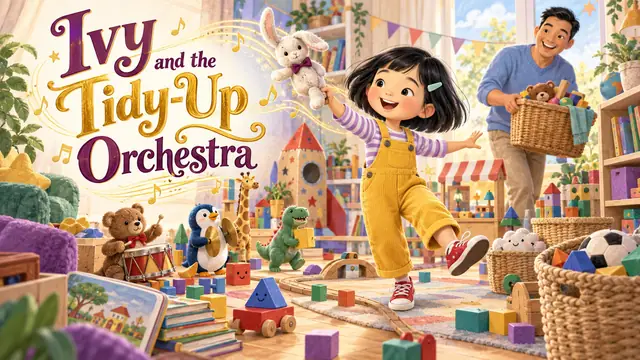
Ivy and the Tidy-Up Orchestra
One small return at a time
Tackling tidy-up in small steps4–7 years old 8 minute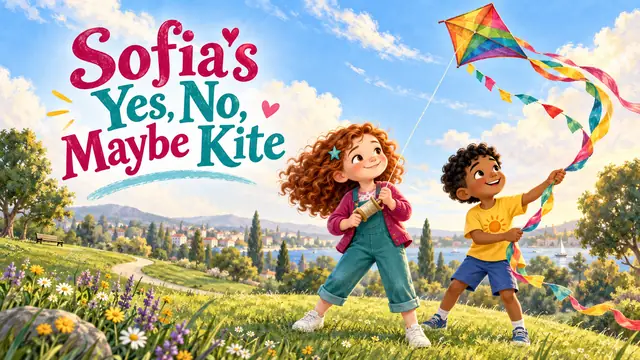
Sofia's Yes, No, Maybe Kite
My boundaries matter. So do yours.
Respecting yes, no, and maybe5–8 years old 5 minute
Amara and the Open Spot
A question, a kind offer, a little patience
Joining play with confidence5–8 years old 5 minute
Elliot and the Waiting Moon
Making room for someone else's turn
Waiting and taking turns4–7 years old 5 minute
Noor and the Safe Grown-Up Circle
Stop, step back, check
Knowing when to stop and check5–8 years old 5 minute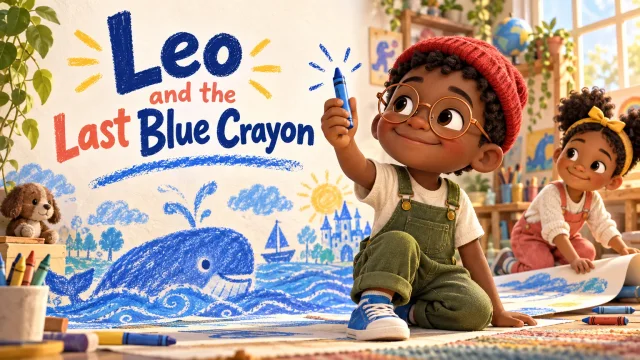
Leo and the Last Blue Crayon
A little repair after a hard moment
Repairing sibling conflict4–7 years old 5 minute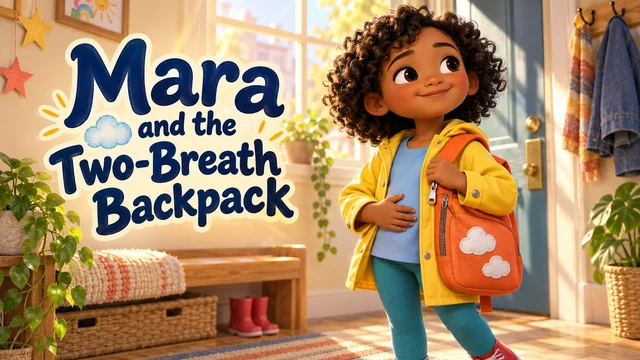
Mara and the Two-Breath Backpack
A tiny pause for big feelings
Pausing with big feelings4–7 years old 5 minute
Bea’s Table-Time Rhythm
A gentle dinner manners story
using relaxed mealtime manners3–7 years old 7 minute
Bram’s Blanket Finds Its Place
A windy night bedtime story
returning to bed after a night-time worry3–7 years old 7 minute
Pip Finds the Polite Sneeze
A gentle manners story
covering coughs and sneezes3–6 years old 7 minute
The Orchard of Feeling Bells
Chimes Under Pearlight
naming feelings4-8 years old 7 minute

Showing 12 of 105 stories
Short answers for parents
Frequently asked questions
The child said sorry quickly and then it happened again, what should I do?
Remove the request to say sorry and replace it with the question: "How is he?" and “Can I fix it?”. When the child sees the consequences and participates in correcting them, the behavior changes.
Should I force my child to apologize in front of many people?
Shouldn't. Being apologized to while being looked at makes the child defensive and only learns how to cope. Pull the child aside, talk, then come back.
How to teach children to wait their turn?
Give your child something to do while waiting and a clear milestone to wait until. Waiting in emptiness is very difficult for young children, even if they understand the rules.