
Topic
Stories teach children to recognize and name emotions
Children 3–7 years old often do not lack emotions, but lack the words to name those emotions. When unable to call, the child handles it with his body: screams, hits, lies on the floor. The stories here put characters in difficult moments — losing a match, being rejected by a friend, having to wait — and then show children that those feelings have a name and a way to go through them.
Stories in the group

Amara and the Open Spot
A question, a kind offer, a little patience
Joining play with confidence5–8 years old 5 minute
Noor and the Safe Grown-Up Circle
Stop, step back, check
Knowing when to stop and check5–8 years old 5 minute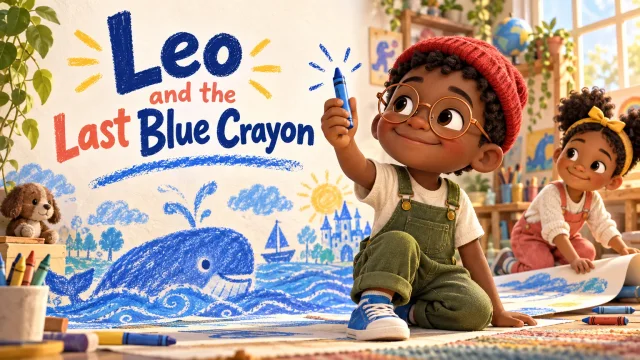
Leo and the Last Blue Crayon
A little repair after a hard moment
Repairing sibling conflict4–7 years old 5 minute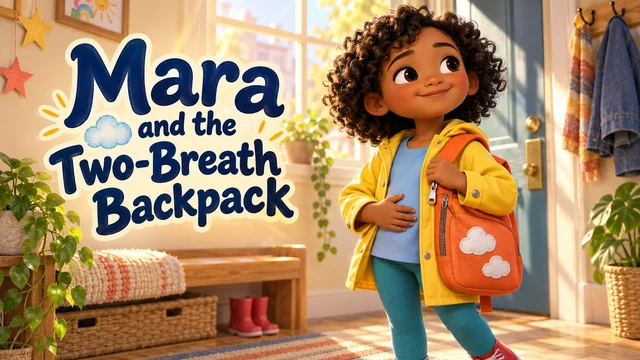
Mara and the Two-Breath Backpack
A tiny pause for big feelings
Pausing with big feelings4–7 years old 5 minute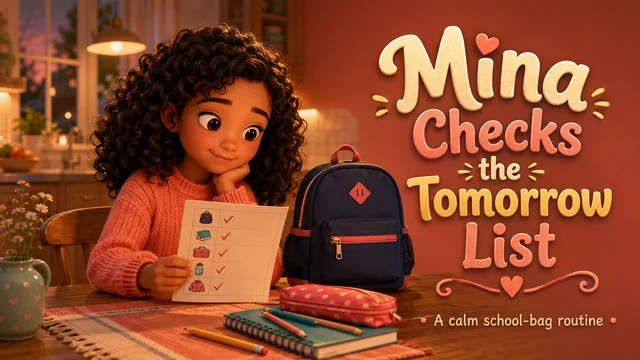
Mina Checks the Tomorrow List
A calm school-bag routine
packing a school bag with a checklist4–8 years old 7 minute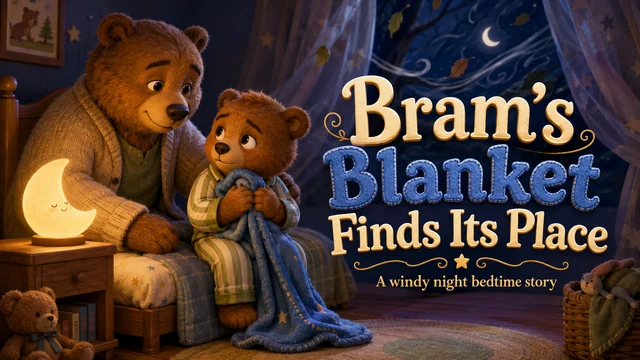
Bram’s Blanket Finds Its Place
A windy night bedtime story
returning to bed after a night-time worry3–7 years old 7 minute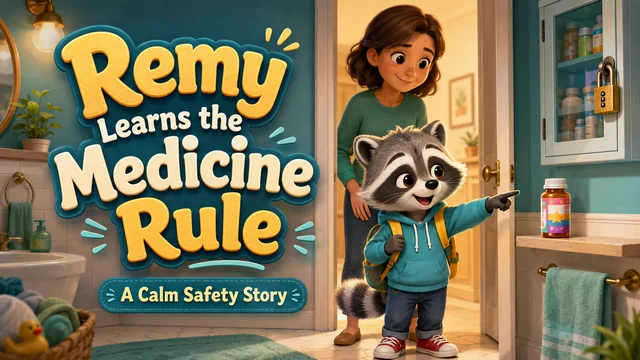
Remy Learns the Medicine Rule
A Calm Safety Story
using medicine only with a trusted adult4–8 years old 7 minute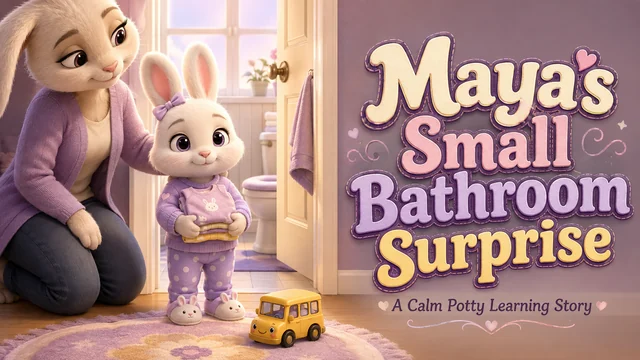
Maya’s Small Bathroom Surprise
A Calm Potty Learning Story
responding calmly to a toilet-learning accident2–5 years old 8 minute
Ollie Makes Peace with Shampoo
A Calm Bath Time Story
taking part in bath time3–6 years old 7 minute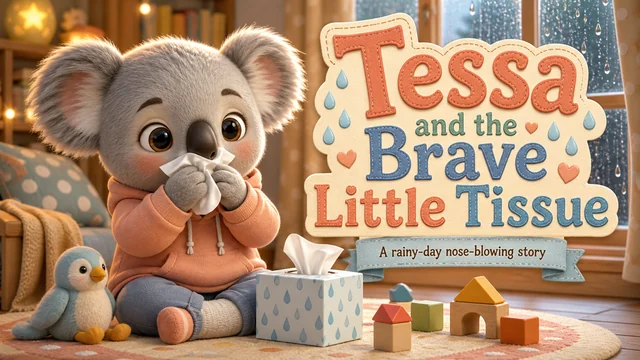
Tessa and the Brave Little Tissue
A rainy-day nose-blowing story
blowing a nose and using a tissue3–6 years old 7 minute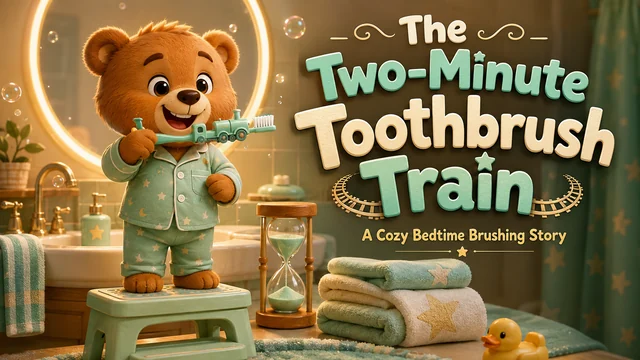
The Two-Minute Toothbrush Train
A Cozy Bedtime Brushing Story
brushing teeth twice a day3–6 years old 7 minute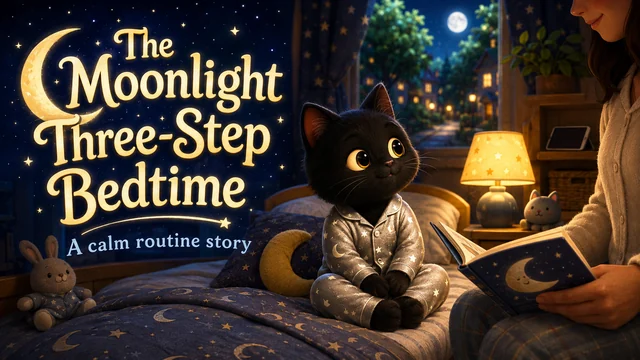
The Moonlight Three-Step Bedtime
A calm routine story
following a calm bedtime routine3–7 years old 7 minute

Showing 12 of 91 stories
Short answers for parents
Frequently asked questions
Can stories help children reduce tantrums?
The story cannot stop the tantrums that are happening. What the story does is give the child a name and an image to use when calm, so that next time the child can describe it instead of just screaming.
At what age does a child understand stories about emotions?
From about 3 years old, children can recognize emotions on characters' faces. From the age of 5, children begin to contact themselves. For younger children, stop at the picture and ask, "Is he happy or sad?".
How many stories about emotions should I read a week?
One or two stories, reread many times, are more effective than seven new stories. Babies need time for an image to become familiar enough to remember it when needed.