
Topic
Stories for 4 year olds
Four years old is when children begin to connect actions with results: the character does this so that happens. This is also the age when children like to ask "why" and like to tell stories. The stories here have a clear choice in the middle of the story, enough for children to recognize and discuss.
Stories in the group
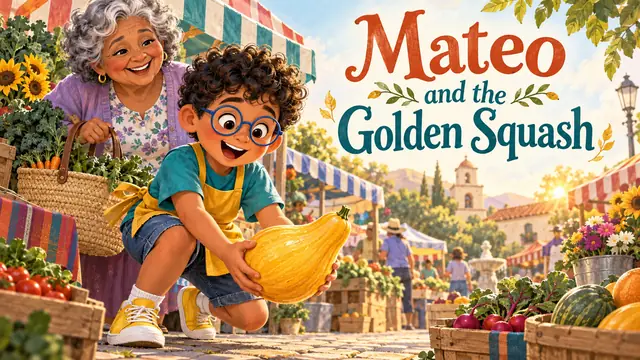
Mateo and the Golden Squash
A tiny taste, a big discovery
Exploring new foods without pressure4–7 years old 8 minute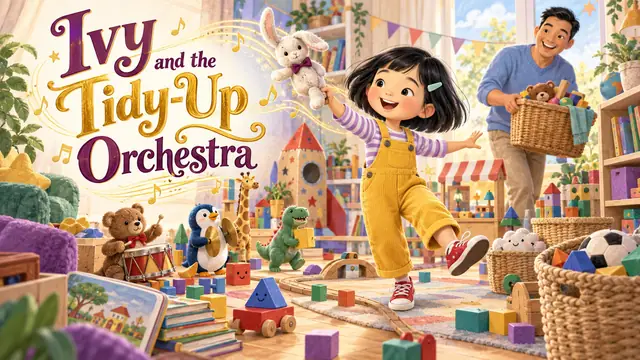
Ivy and the Tidy-Up Orchestra
One small return at a time
Tackling tidy-up in small steps4–7 years old 8 minute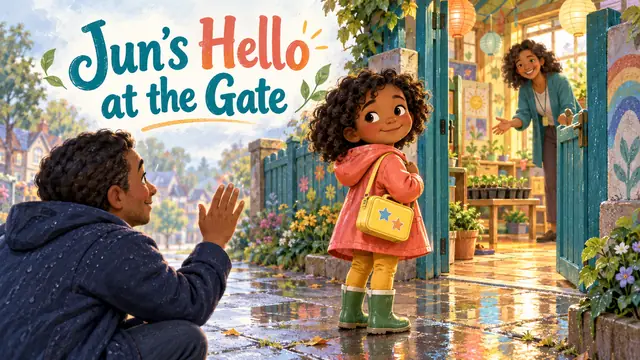
Jun's Hello at the Gate
Goodbyes can make room for hellos
Handling school separation3–6 years old 5 minute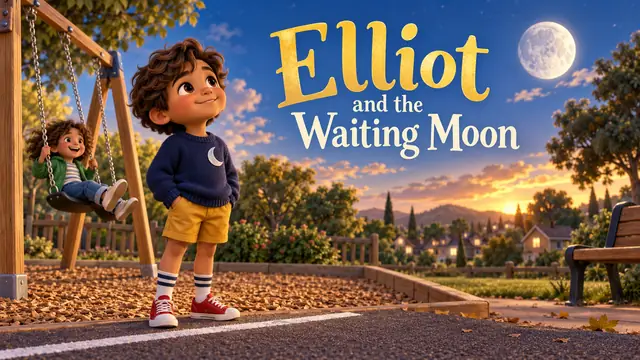
Elliot and the Waiting Moon
Making room for someone else's turn
Waiting and taking turns4–7 years old 5 minute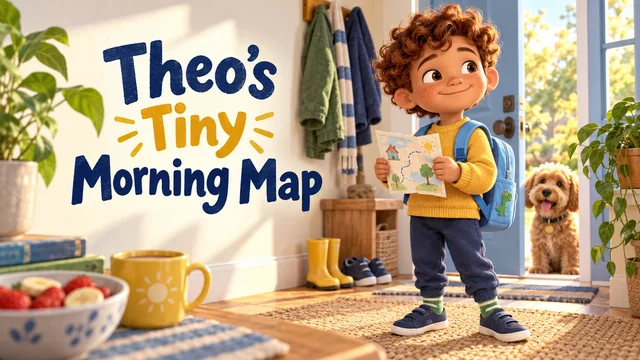
Theo's Tiny Morning Map
One clear step at a time
Building morning independence4–7 years old 5 minute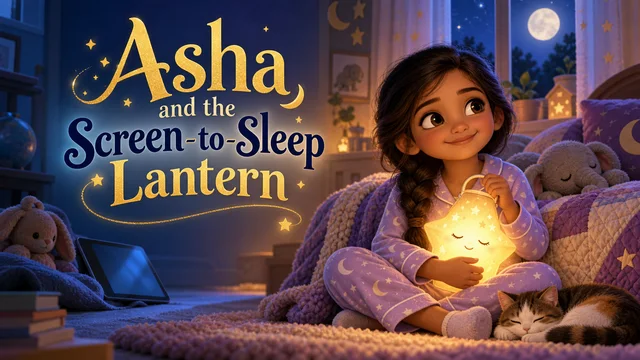
Asha and the Screen-to-Sleep Lantern
A gentle goodbye to the day
Moving from screens to sleep4–7 years old 5 minute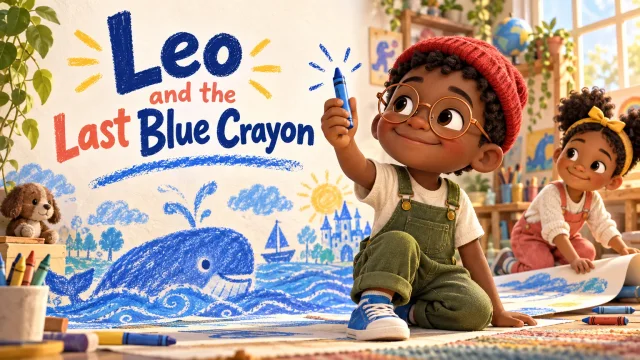
Leo and the Last Blue Crayon
A little repair after a hard moment
Repairing sibling conflict4–7 years old 5 minute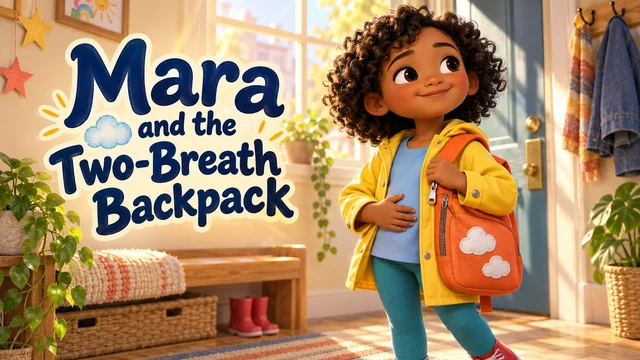
Mara and the Two-Breath Backpack
A tiny pause for big feelings
Pausing with big feelings4–7 years old 5 minute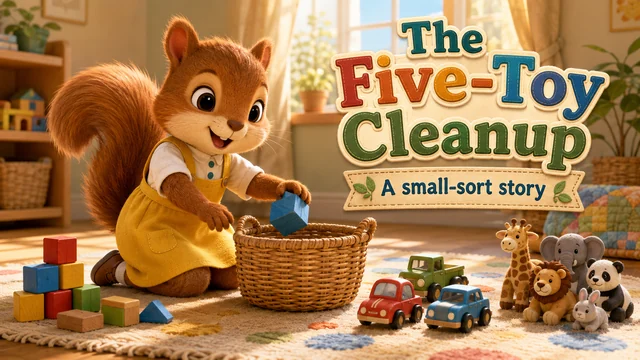
The Five-Toy Cleanup
A small-sort story
cleaning up toys by category3–7 years old 7 minute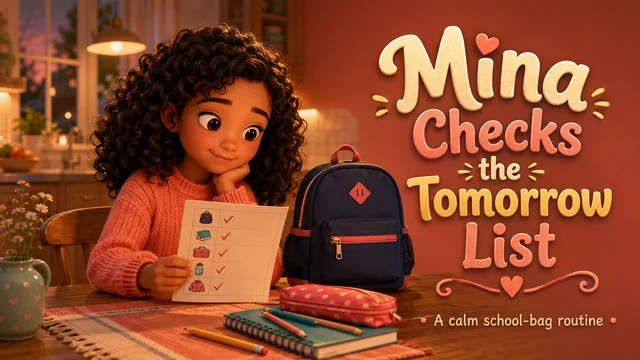
Mina Checks the Tomorrow List
A calm school-bag routine
packing a school bag with a checklist4–8 years old 7 minute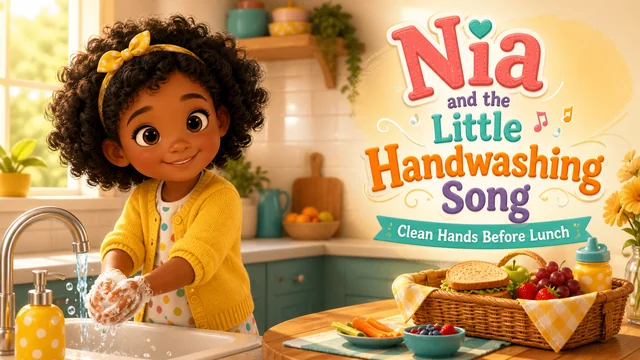
Nia and the Little Handwashing Song
Clean Hands Before Lunch
washing hands before meals3–6 years old 7 minute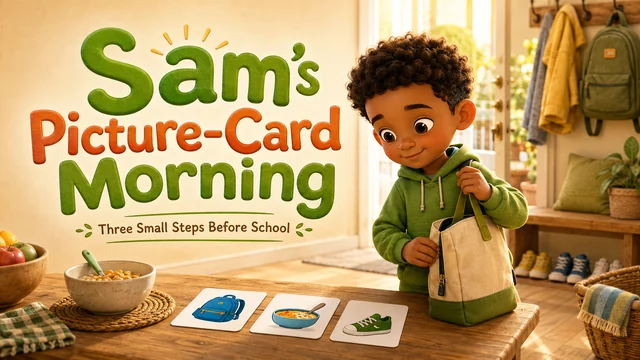
Sam’s Picture-Card Morning
Three Small Steps Before School
using a short morning routine3–7 years old 7 minute

Showing 12 of 89 stories
Short answers for parents
Frequently asked questions
What kind of stories should 4-year-old children listen to?
The story has a main character, a difficult situation, and a choice. The story has too many character lines, making children lose interest and lose interest.
What should a child do when asking "why" continuously while listening to a story?
Answer briefly and then read on. Your child's questions are a sign that he's following the story, not a distraction — but long answers will cut off the flow of the story.
Should children be allowed to listen to stories alone?
Your child can listen on his own, but the most valuable part is the conversation afterward. If you don't have time, ask your child just one question about the story at mealtime.